Recycling and Sustainability at Cleaners Chelsea
 Cleaners Chelsea is committed to making everyday cleaning services more responsible, efficient, and environmentally aware. Our approach to cleaners Chelsea recycling focuses on practical action that reduces waste, supports local recovery systems, and helps keep useful materials in circulation for longer. In a borough setting where waste streams can be varied and space for disposal is limited, sustainability matters not just at the end of a job, but in every stage of planning, collection, and sorting. We aim to build a cleaner service model that is thoughtful, local, and low-impact.
Our recycling percentage target is a core part of that commitment. We are working toward a minimum recycling and recovery rate of 80% across suitable operational waste by separating materials carefully and directing them into the right channels wherever possible. This includes packaging, paper, cardboard, plastics, and other recoverable items generated during service work. For our Chelsea cleaning recycling approach, the goal is not only to divert waste from landfill, but to improve the quality of separated materials so that they are more likely to be reused or processed effectively.
We also pay close attention to how waste is handled in the local area, where boroughs often take a detailed approach to waste separation. In and around Chelsea, recycling activity can involve careful sorting of mixed materials, clear separation of food waste from dry recyclables, and the correct handling of specialist items that should never be placed in general waste. This kind of borough-level organisation helps support better recycling outcomes, and it aligns with our own standards for responsible disposal and material recovery.
Local Waste Routing and Transfer Stations
 A key part of our sustainability strategy is using local transfer stations and approved waste facilities that reduce unnecessary transport distances and support efficient handling. By routing collected waste through nearby processing points where possible, Cleaners Chelsea helps limit emissions linked to long-haul disposal. This is especially important in central and inner-west London, where traffic, fuel use, and congestion can quickly increase the environmental cost of even routine collection work.
Transfer stations also play an important role in separating loads before final processing. Materials may be sorted into different streams, including general waste, cardboard, metals, and recyclable plastics, helping improve the overall performance of recycling in Chelsea. Where suitable, we prioritise facilities that operate with strong environmental controls and a clear commitment to resource recovery. This ensures our waste pathways remain consistent with our wider sustainability values.
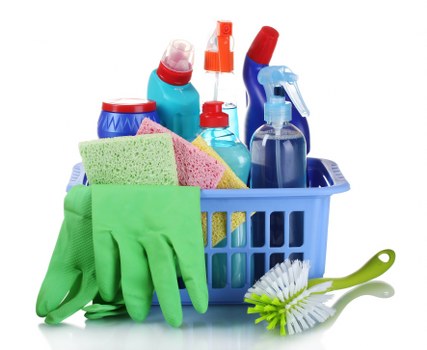 Our local recycling practices are shaped by the reality of working in a dense urban borough where collections often need to be efficient, quiet, and space-conscious. That means preparing materials properly before they are removed, reducing contamination, and ensuring that separate waste streams remain separate. Whether it is packaging from a deep cleaning assignment or paper-based disposables from a larger service job, careful handling makes a measurable difference to the success of Chelsea cleaners recycling efforts.
Partnerships with Charities and Reuse Organisations
Cleaners Chelsea also values partnerships with charities and reuse organisations that help extend the life of suitable goods. When items are clean, safe, and appropriate for donation, we work to support channels that can pass them on for further use. This can include selected textiles, household items, office consumables, and other materials that are better reused than discarded. By supporting charity-led redistribution, we help reduce waste while contributing to community benefit.
These partnerships reflect a practical understanding of sustainability: the best environmental outcome is often to avoid disposal altogether. Where recycling is not the highest-value option, reuse can come first. For Cleaners Chelsea sustainability, that means recognising when a material still has a useful life and ensuring it reaches an organisation able to handle it appropriately. In a borough known for a strong mix of residential, commercial, and community activity, this kind of resource-sharing can make a meaningful difference.
We also remain mindful that not every item is suitable for donation, and not every material belongs in the same recycling stream. By balancing donation, reuse, and recycling, Chelsea cleaning services can reduce pressure on disposal systems and support a more circular approach. Our focus is on keeping the process simple, compliant, and effective, while respecting the needs of local charities and the standards required for safe recovery.
Low-Carbon Vans and Smarter Operations
 Transportation is one of the biggest contributors to operational emissions, which is why our fleet strategy includes low-carbon vans and more efficient route planning. We are progressively favouring vehicles with lower emissions profiles, and we look to schedule work in ways that minimise repeated journeys across the same area. This not only reduces fuel use, but also supports quieter, cleaner movement through local streets.
Our low-carbon approach is not limited to vehicles alone. It includes planning routes to avoid unnecessary backtracking, reducing idle time, and coordinating material collection so that waste can be handled in fewer trips. For recycling Chelsea, this matters because better logistics mean lower emissions from start to finish. It is a simple idea: if waste can be collected, sorted, and transferred more efficiently, the environmental footprint of the service becomes smaller.
We also encourage operational habits that support sustainability at source. That includes choosing reusable equipment where suitable, reducing excess packaging, and keeping an eye on the materials brought to and taken from a site. Combined with low-carbon vans and local waste routing, these steps help create a cleaner service model that is aligned with modern environmental expectations in Chelsea and the wider borough network.
Building a Better Recycling Culture
Cleaners Chelsea sees sustainability as an ongoing practice rather than a single policy statement. 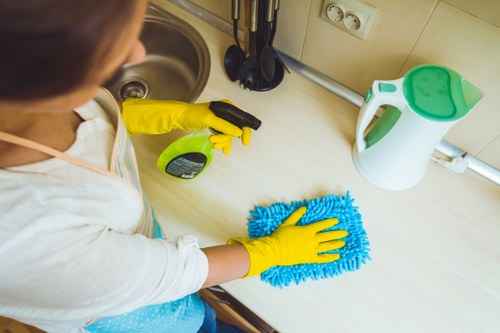 That means reviewing what we collect, how we sort it, and where it ends up, with the aim of improving performance year by year. Our recycling percentage target gives us a clear benchmark, while our use of local transfer stations, charity partnerships, and low-carbon vans keeps the approach grounded in everyday action. Together, these efforts help make Chelsea cleaners recycling more effective and more accountable.
We also recognise that borough waste systems work best when people and services follow clear separation habits. In Chelsea, that may mean keeping dry recyclables distinct from food waste, placing cardboard in the correct stream, and avoiding contamination from mixed materials. These small but important steps support the wider infrastructure around recovery and reuse, making the local recycling culture more resilient.
By focusing on practical sustainability measures, Cleaners Chelsea contributes to a cleaner, lower-impact service experience. Our goal is to support a district where waste is treated as a resource whenever possible, emissions are reduced through smarter transport, and usable items are redirected toward reuse. With consistent effort and responsible planning, cleaners Chelsea recycling can continue to evolve in step with the borough’s environmental priorities.